Why Even One Weak Link Cannot Be Ignored
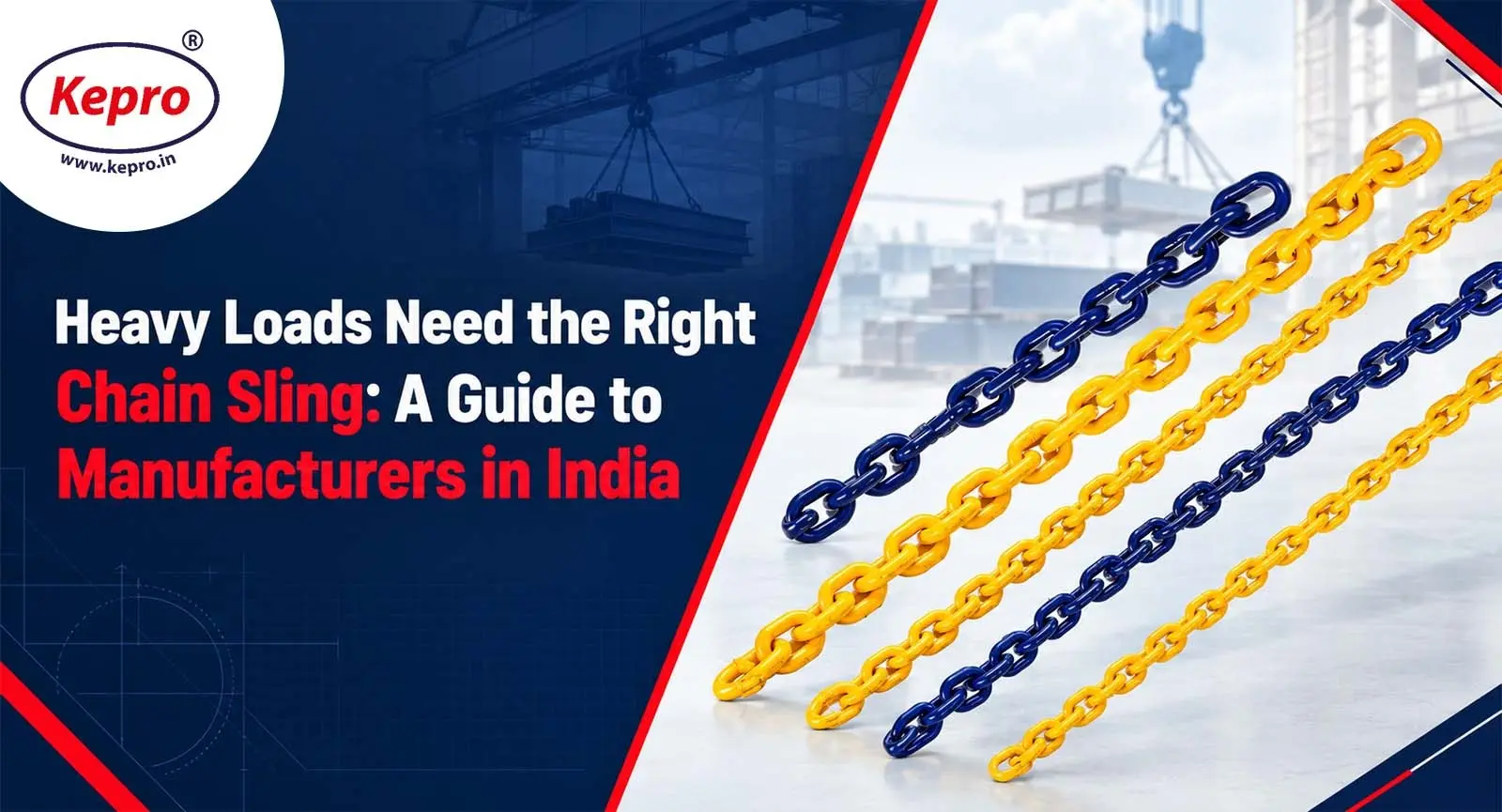
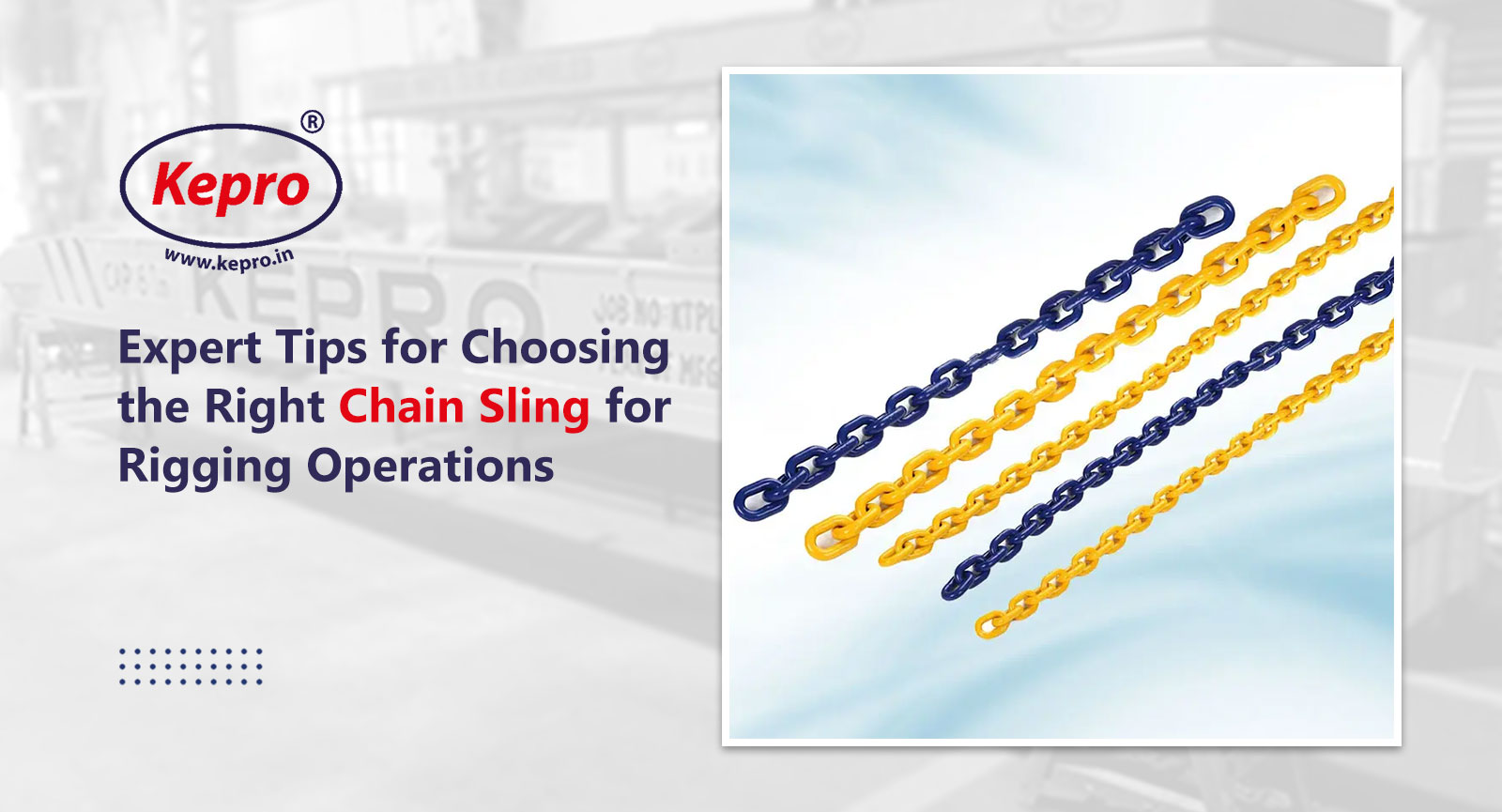
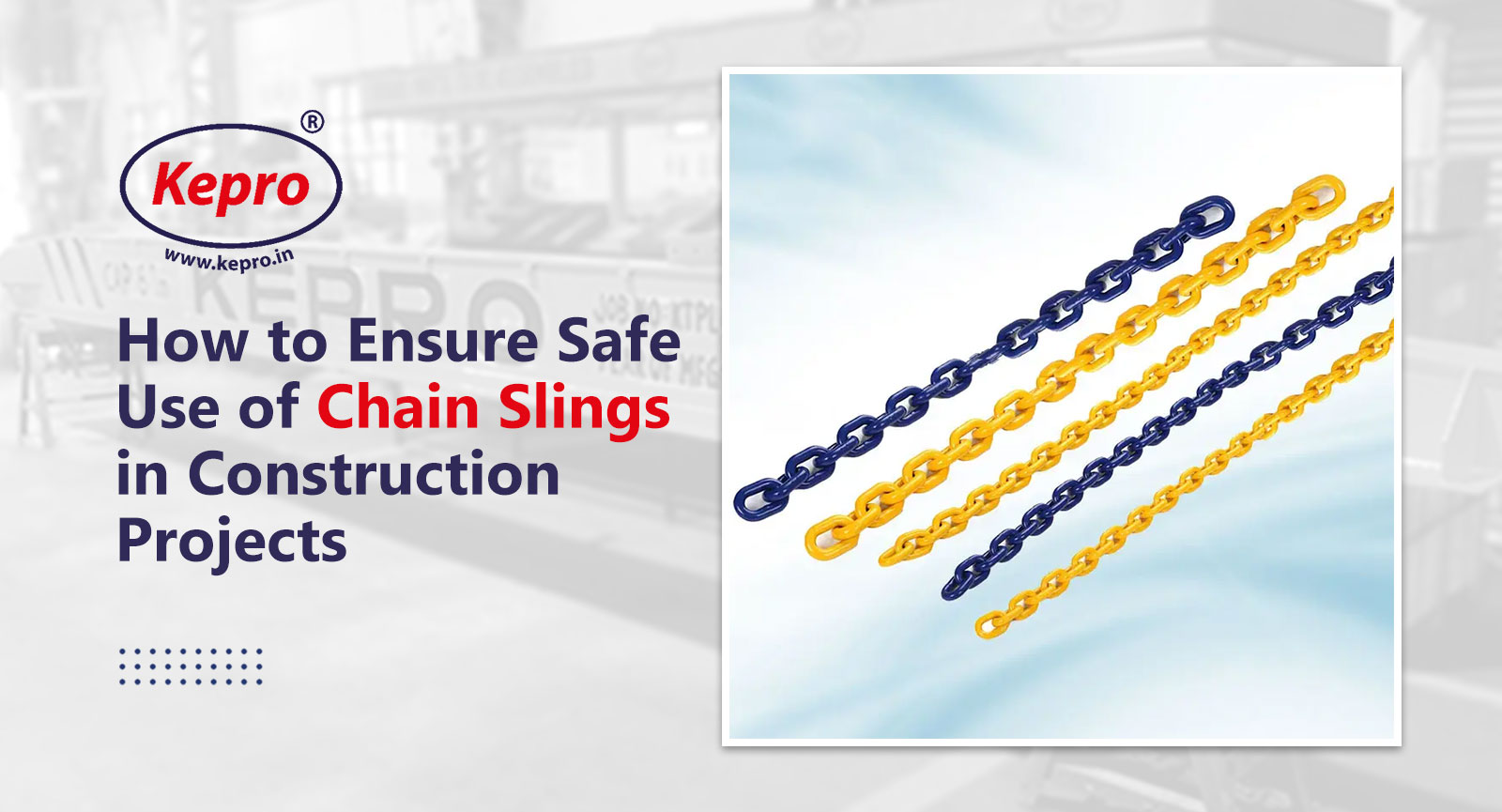
When a heavy load hangs from a crane, everything depends on the slings. A chain sling is built from alloy steel links with a master link on top and hooks at the bottom. It is popular because it handles rough use, sharp edges and high heat better than many other slings.
But a sling is only as safe as its weakest part. Quality varies a lot between makers, so the choice needs care. The points below help you compare manufacturers properly. Use them as a checklist when quotations arrive. A few careful questions now can prevent a serious accident later.
Know the Load Before You Look at Catalogues
Start with the load. Note its weight, shape, centre of gravity and lifting points. Also note how often you lift it and whether the lift is smooth or jerky.
Share these details with every manufacturer. A good one asks about lifting method, number of legs and headroom before suggesting a sling. Be careful with anyone who quotes without asking a single question.
Always plan for the heaviest load you expect, not only today’s job. Choose a sling by its working load limit, which is the maximum load it is allowed to carry, never by guesswork or by looking at link size alone.
Chain Grade and Steel Quality
Grade tells you about strength. Alloy steel chain comes in grades such as 80 and 100, and higher grades carry more load from the same size of chain, which helps keep the sling lighter and easier to handle.
For a Heavy Duty Chain Sling used in steel plants, foundries or heavy fabrication, ask which grade is used and why. Check that the steel is heat-treated and traceable to a known source.
Ask about the link dimensions and tolerances. Evenly formed, cleanly welded links and a smooth finish suggest careful manufacturing. Rough welds or uneven links are a warning sign. Never accept an unmarked chain of unknown grade.
Leg Layouts and Sling Angles
Slings come as single, double, triple and four-leg types and as endless loops. The right layout depends on the load shape and the number of lifting points.
Sling angle matters a lot. As the angle between the legs and the horizontal gets smaller, each leg carries more force, so the safe working load drops. Ask the maker for a clear capacity table at different angles.
Check that the capacity shown is the rated figure for the whole assembly, including fittings, and not only the chain. A good supplier explains these limits in simple words and helps you choose the right layout.
Hooks, Links and Fittings
The best chain fails if the fittings are weak. Ask about the master link, the hooks and any shortening clutches, and confirm that they match the grade and working load of the chain.
Look for hooks with safety latches, suited to your lifting points. Check the finish and the markings, and see whether fittings carry their own grade and traceability marks.
A reliable chain sling is built as a matched set, where every part is rated for the same load. Mixing parts from different sources can leave a hidden weak spot. Ask what spare hooks and links are available for repairs.
Factory Testing and Certificates for Every Chain Sling
Testing is what separates a safe sling from a risky one. Ask if each sling is proof tested to a load above its working load limit before dispatch and whether you can witness the test.
Each sling should come with a test certificate that shows its identification number, working load limit, grade, length and test date. Make sure the same number is stamped on the sling tag.
Ask which standards the design follows, such as EN 818 or ASME B30.9, and ask for material certificates for chain and fittings. A maker who hides these documents should not be trusted with your lifting work.
Working Conditions and Special Needs
Think about where the sling will work. High heat, wet weather, chemicals and sharp edges affect chain life. Alloy steel loses strength at high temperatures, so tell the maker about the heat near your load.
Marine and chemical sites may need coated or special chains. Foundry work may need heat-aware limits and heavier links. Share the details and let the maker guide you.
Also ask about special lengths, extra legs, shortening options and colour-coded tags for easy sorting. Good makers offer clear delivery timelines for custom work. Practical advice from a maker who knows your industry is a good sign.
Maker Track Record, Care and Cost
Ask how long the company has been making slings and which industries it serves. Request references from steel, shipbuilding, construction or heavy engineering users. Ask to see the factory, at least on a video call.
Check what support the maker gives for inspection and repair. Slings need regular checks for stretch, wear, nicks, bent links and heat damage. A good supplier gives clear inspection guidance and spares.
Compare quotations on total cost. A cheap sling that fails early or cannot be certified costs far more than a well-made one, so look at life, repair support and safety together. A working phone number and quick replies are worth more than a small discount.
Checklist for Talking to Makers
Keep this list ready when you speak to manufacturers:
- Which chain grade do you use, and can I see material certificates?
- Is every sling proof tested, and can I witness it?
- Will each sling carry a tag with its working load limit and ID?
- Which standard does your design follow?
- What are the capacities at different sling angles?
- What inspection and repair support do you offer?
Clear answers to these tell you most of what you need to know.
Moving Ahead
Choosing a manufacturer takes time, but safety is worth it. Check grade, fittings, testing, certificates, working conditions and total cost, and do not rush the decision.
If you are planning to buy, you can look at the range offered by Kepro Technologies Pvt. Ltd. Go through the options, note down your load weight, lifting method and working conditions, and contact the team to discuss what suits your lifting work. A short conversation now can save you a lot of trouble later when choosing your next Chain Sling.
Frequently Raised Doubt