A chain pulley block is a simple lifting tool that helps move heavy items safely while reducing physical effort. It is commonly used in places where machines, materials, or equipment are too heavy to lift by hand. By using a chain and gear system, this tool allows one person to lift loads that would normally require several people.
Every workplace deals with different types of loads, which means lifting needs can vary. This is why different chain pulley block types are available, with each one made to handle a certain weight and perform well in specific working conditions. Some are good for lighter tasks, while others are made to manage heavy industrial loads. When you understand these differences, it becomes so easier to choose the right equipment for the job.
The Different Chain Pulley Block Types
There are a few main versions of these tools out there, and each one is built for a specific type of job. Picking the right one is all about balancing speed, safety, and how much muscle you want to use.
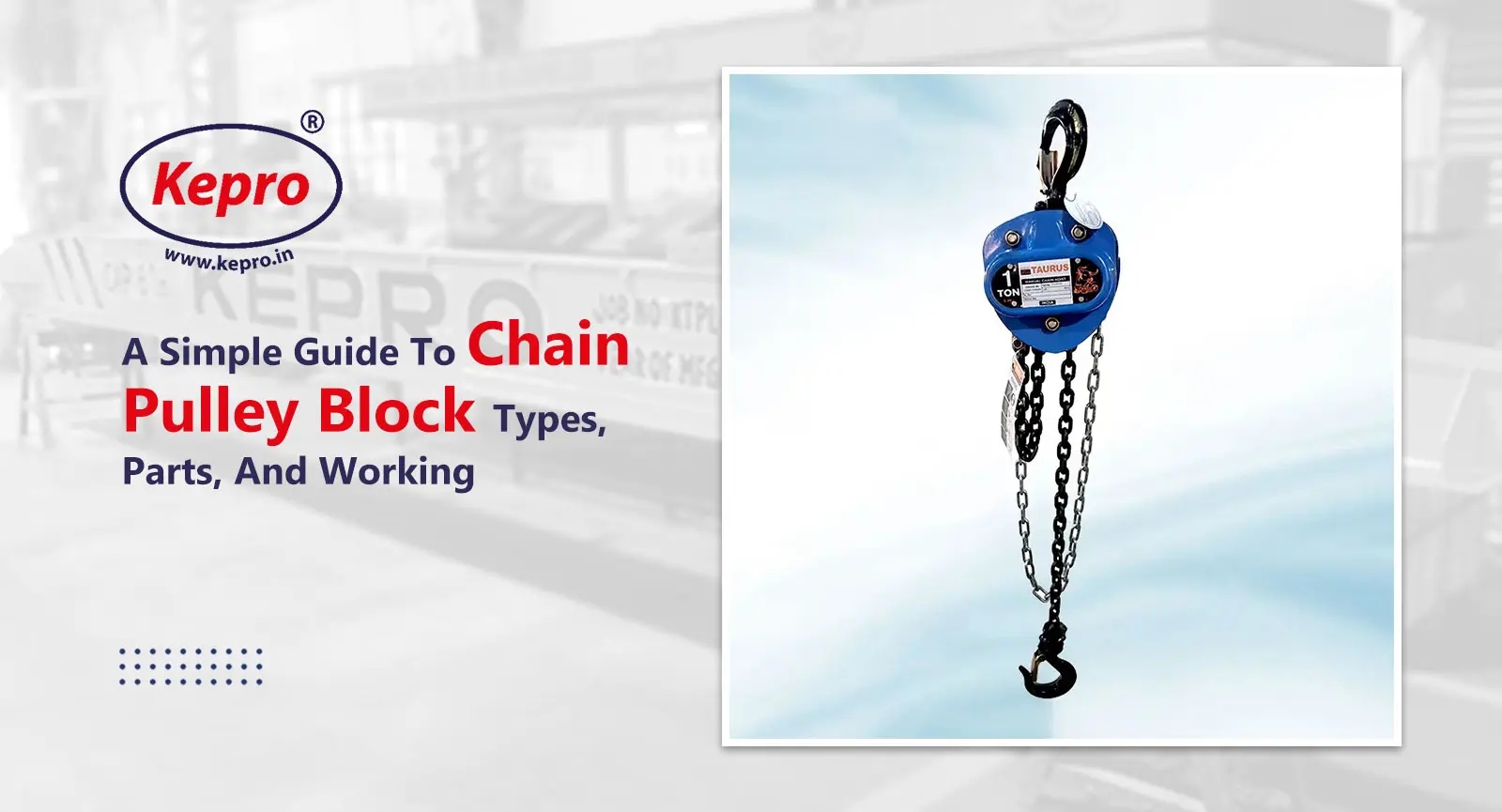
The most basic version is the manual chain pulley block. You run this one yourself by pulling a hand chain to move the load up or down. These are perfect for smaller shops or repair spots where you don’t have power outlets everywhere. It is a simple, tough tool that gets the job done without any fancy electronics.
When the loads get much heavier, a geared chain pulley block is the way to go. These have a special gear setup inside that does the hard work for you. It takes way less physical strength to move massive objects this way. You’ll usually see these on big construction sites or in factories where moving heavy steel parts is just part of the daily routine.
In busy plants where you are lifting things every few minutes, an electric chain pulley block is a lifesaver. It uses a motor to lift and lower, which saves the crew from getting worn out. It makes the whole day go faster and keeps everyone fresh.
Finally, if you are working in a tight spot with a low ceiling, a low-headroom chain pulley block is your best bet. It is squashed down to fit into gaps where a standard block just would not be able to swing.
Common Chain Pulley Block Parts Name
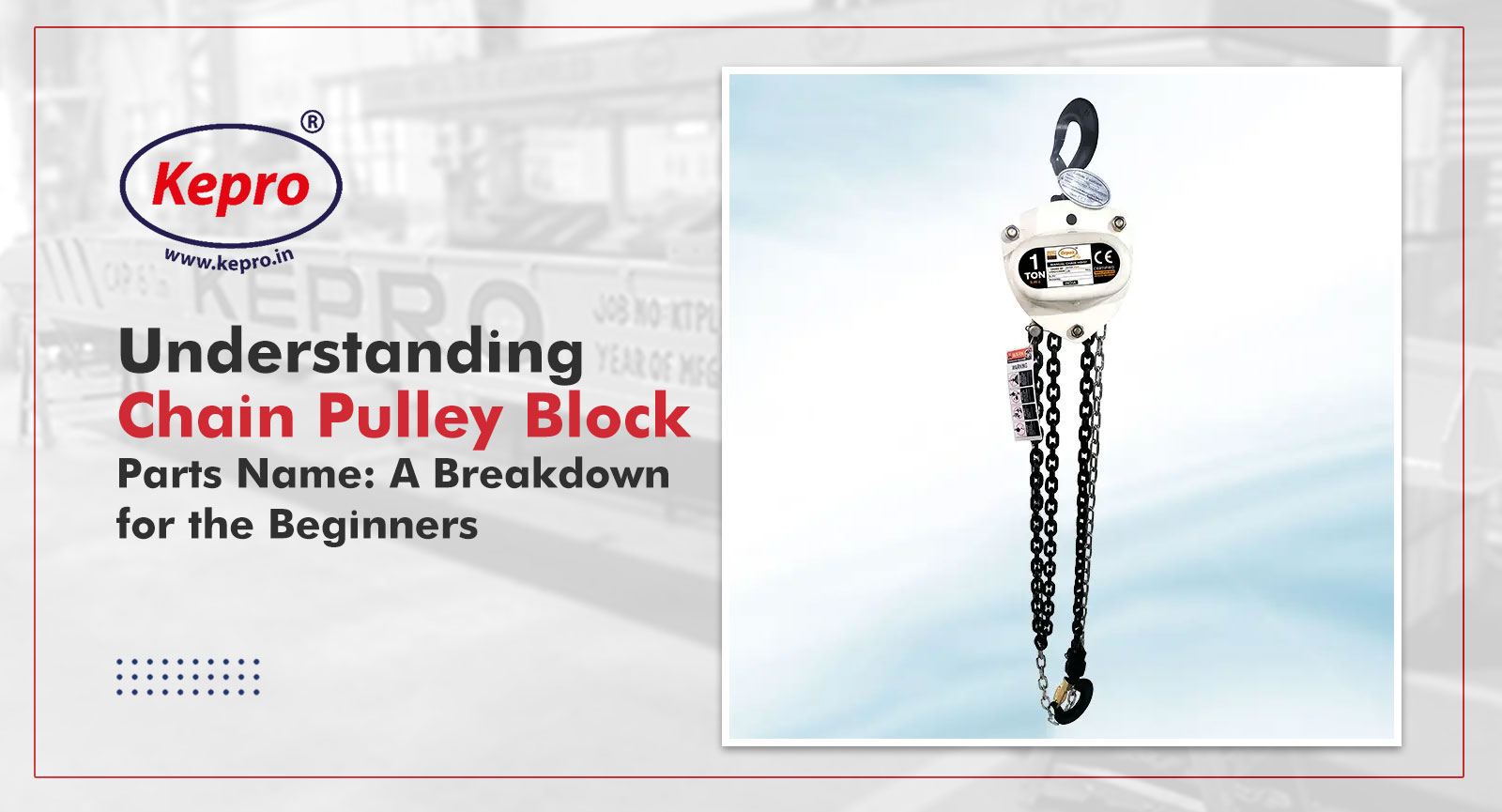
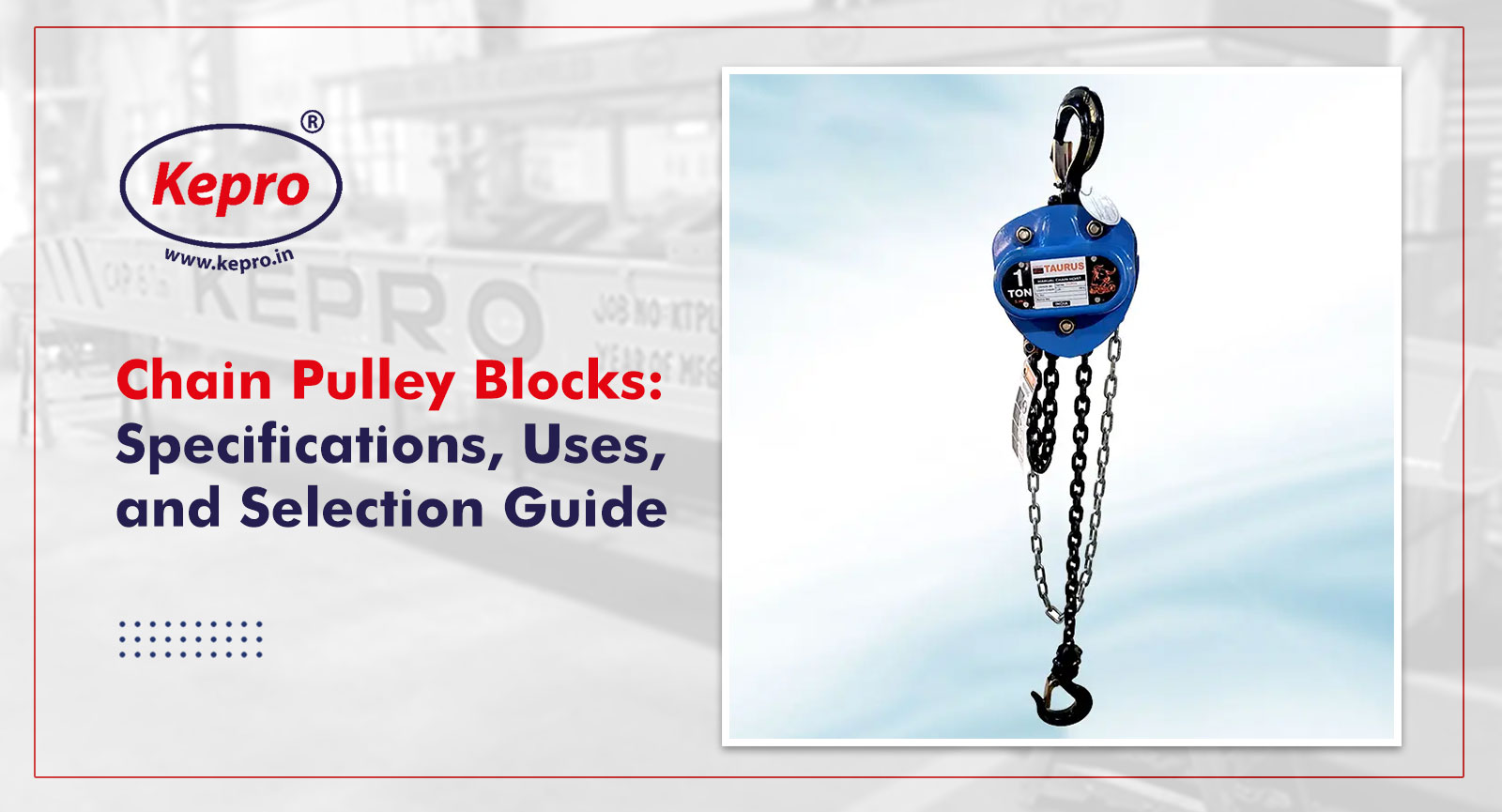
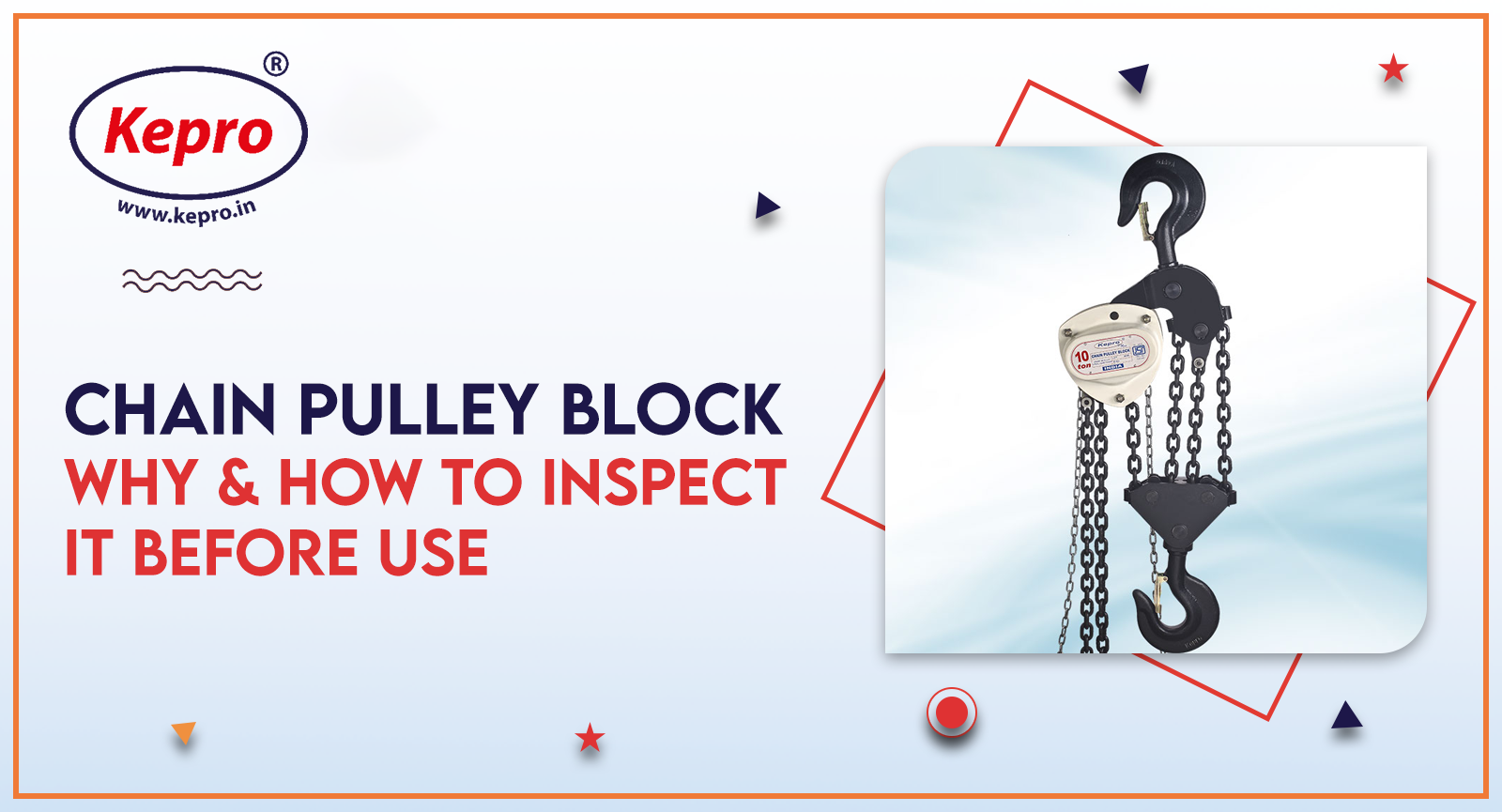
If you want to use these tools safely, you have to know the chain pulley block parts name. The main things you’ll see are the load chain, which holds the weight. Then, the hand chain, which is what you actually pull. There is a pulley wheel inside that keeps the chain moving smoothly, so it doesn’t get bunched up or stuck midway through a lift.
Inside the casing, there is a gear system that multiplies your strength. You also have a top hook to hang the whole thing from a beam and a bottom hook to grab your load. The most vital part, though, is the braking system. It locks the weight in place the second you stop pulling, so nothing drops. All of this is protected by a heavy metal housing that keeps dirt out of the gears.
Chain Pulley Block Working
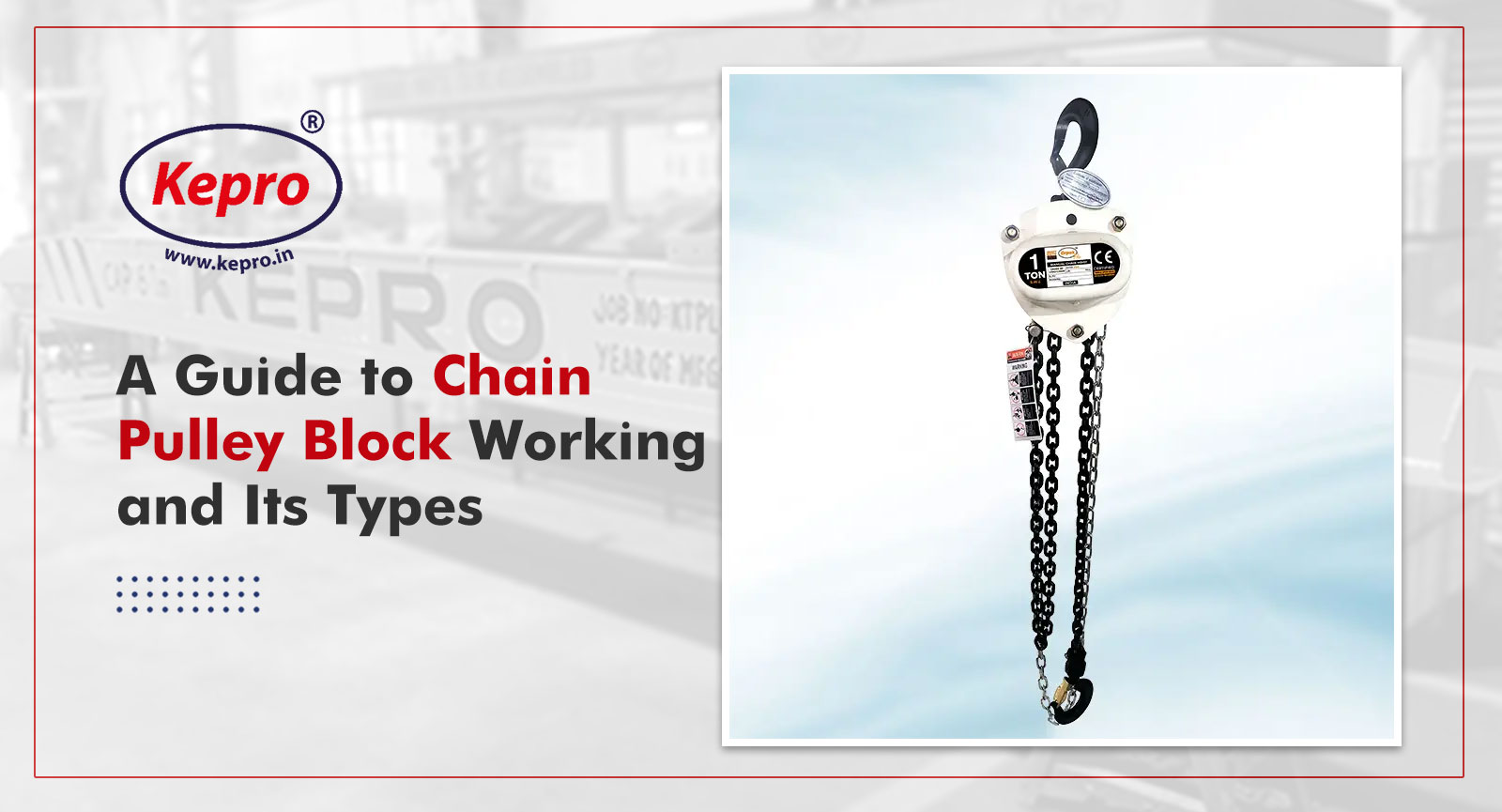
A fundamental mechanical principle underlies chain pulley block working. The internal gears are turned when the hand chain is pulled. The weight can rise or fall in a controlled manner thanks to these gears’ slow, even movement of the load chain.
Since the load is spread across the chain and gears, heavy items can be lifted with much less effort. As soon as the pulling stops, the brake activates and holds the load firmly in place, helping prevent accidents.
Conclusion
Knowing the various chain pulley block types, along with their parts and working method, helps make lifting tasks safer and more efficient. The right equipment allows work to move smoothly and lowers the risk of accidents.
For anyone looking for reliable lifting solutions, Kepro is a trusted name in the industry. With decades of experience, Kepro India manufactures chain pulley blocks that are strong, safe, and built to last. Their focus on quality and safety makes them a dependable partner for material handling needs in tough working environments.